Mustard: A Warm, Handwritten Font for Campaigns
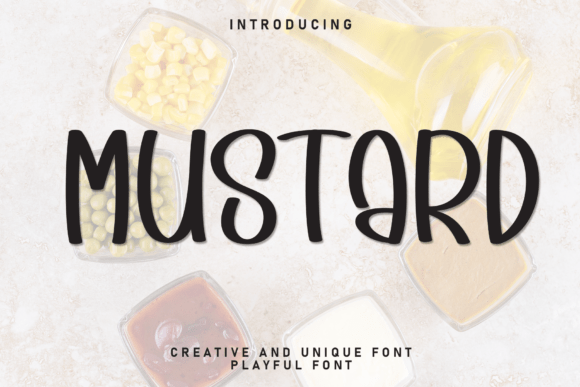
It’s 9 p.m. on a Tuesday, and I’m finalizing the visual assets for a seasonal sale launch. The client wants something inviting, something that feels personal without being too formal. After testing a few options, I land on Mustard—a whimsical handwritten display font that brings a sense of warmth and charm to any design.
Mustard has a distinct personality. Its flowing strokes and slightly irregular shapes give it an approachable, almost artisanal feel. It’s not overly ornate, but it carries enough character to stand out in a crowded digital space. This makes it ideal for campaigns that aim to connect emotionally with their audience.
Using Mustard in Social Media Graphics
For the Instagram post promoting the sale, I use Mustard as the headline. It works well at larger sizes, where its unique details can shine. On mobile screens, the font remains legible, though I avoid using it for long paragraphs. Instead, I pair it with a clean sans serif for body text, ensuring contrast and clarity.
The same applies to YouTube thumbnails. Mustard adds a touch of personality to the title, making the video more eye-catching. But I keep the text short—no more than a few words—to maintain readability on small previews.
Mustard in Digital Ads and Web Banners
When designing a digital ad for a new product line, I experiment with Mustard for the callout. It draws attention without overwhelming the viewer. The font’s soft curves and organic shape help it blend into a modern design while still standing out.
In web banners, I use Mustard for headers and subheaders. It pairs well with bold colors and minimal backgrounds, creating a focal point that guides the user’s eye. However, I avoid using it for dense information or technical details, where clarity is key.
Designing for Brand Consistency
Brand consistency is crucial in any campaign, and Mustard helps reinforce a cohesive look. When used across social media posts, email banners, and promotional graphics, it creates a unified visual language. This is especially useful for content series or branded template packs, where a consistent style strengthens brand recognition.
I also test Mustard in a webinar banner. The font adds a friendly tone that complements the event’s theme. It’s not too casual, but it doesn’t feel stiff either—perfect for a professional yet personable setting.
Readability and Practical Use Cases
Mustard excels in short headlines, callouts, and decorative titles. It’s not designed for long-form copy, so I recommend using it sparingly. For instance, it works well for a product teaser, a quote graphic, or a course launch announcement, where the message is concise and the visual impact matters.
On dark backgrounds, the font remains visible, but I adjust the size and spacing to ensure it doesn’t get lost. In light backgrounds, it maintains good contrast, though I avoid using it in tiny text sizes. For mobile screens, I keep the font at least 18px, ensuring it’s easy to read on smaller devices.
Font Pairing and Design Assets
Pairing Mustard with a clean sans serif like Montserrat or Poppins gives it a balanced look. The contrast between the script and the geometric shapes creates visual interest without clutter. For a more traditional feel, I might pair it with a serif font like Playfair Display, which complements its organic flow.
Before integrating Mustard into a campaign, I always check the available styles, ligatures, and file formats. It’s important to confirm multilingual support if the campaign targets international audiences. Commercial licensing is also a consideration, especially when using the font for client projects or merchandise.
Overall, Mustard is a versatile tool for designers looking to add a personal touch to their work. Whether it’s for a seasonal sale, a product teaser, or a branded template pack, it brings a warm, welcoming energy that resonates with audiences. Just remember to use it where it shines best—short headlines, display text, and creative visuals—and you’ll find it to be a valuable addition to your design toolkit.